THE HOUSE THAT REMEMBERS
Some stories survive because they are written down.
Others survive because someone refuses to let them be forgotten.
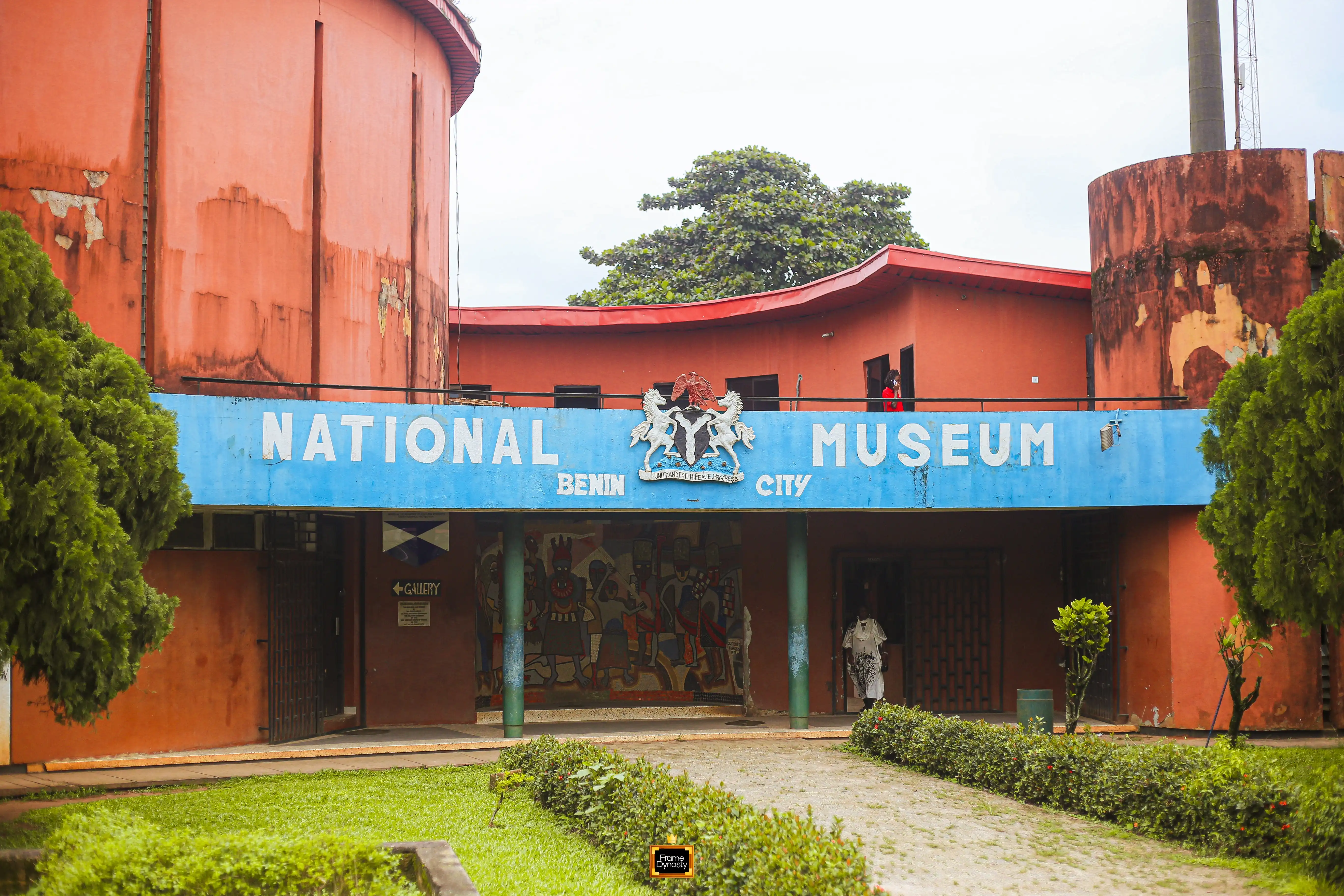
At the heart of Benin City, the National Museum holds fragments of a much larger story — one of a kingdom, its people, its artists and the extraordinary things their hands could create.
But the story of Benin's art also carries a wound.
In 1897, British forces invaded Benin City and looted the royal palace, taking thousands of artworks and cultural objects from the kingdom. Many travelled far beyond Edo, becoming known around the world as the Benin Bronzes.
Yet even after they were taken, the story of the people who made them remained.
The hands survived in the work.
The skill.
The imagination.
The craftsmanship.
The identity.
Today, the museum stands as part of the continuing work of preserving that memory — keeping objects, knowledge and stories within reach of generations who may otherwise only know them as history.
When we visited, we sat with Mrs. Wasa Gertrude, the museum's managing curator, and heard her speak about the objects, the history they carry, and the importance of preserving Edo's cultural heritage.
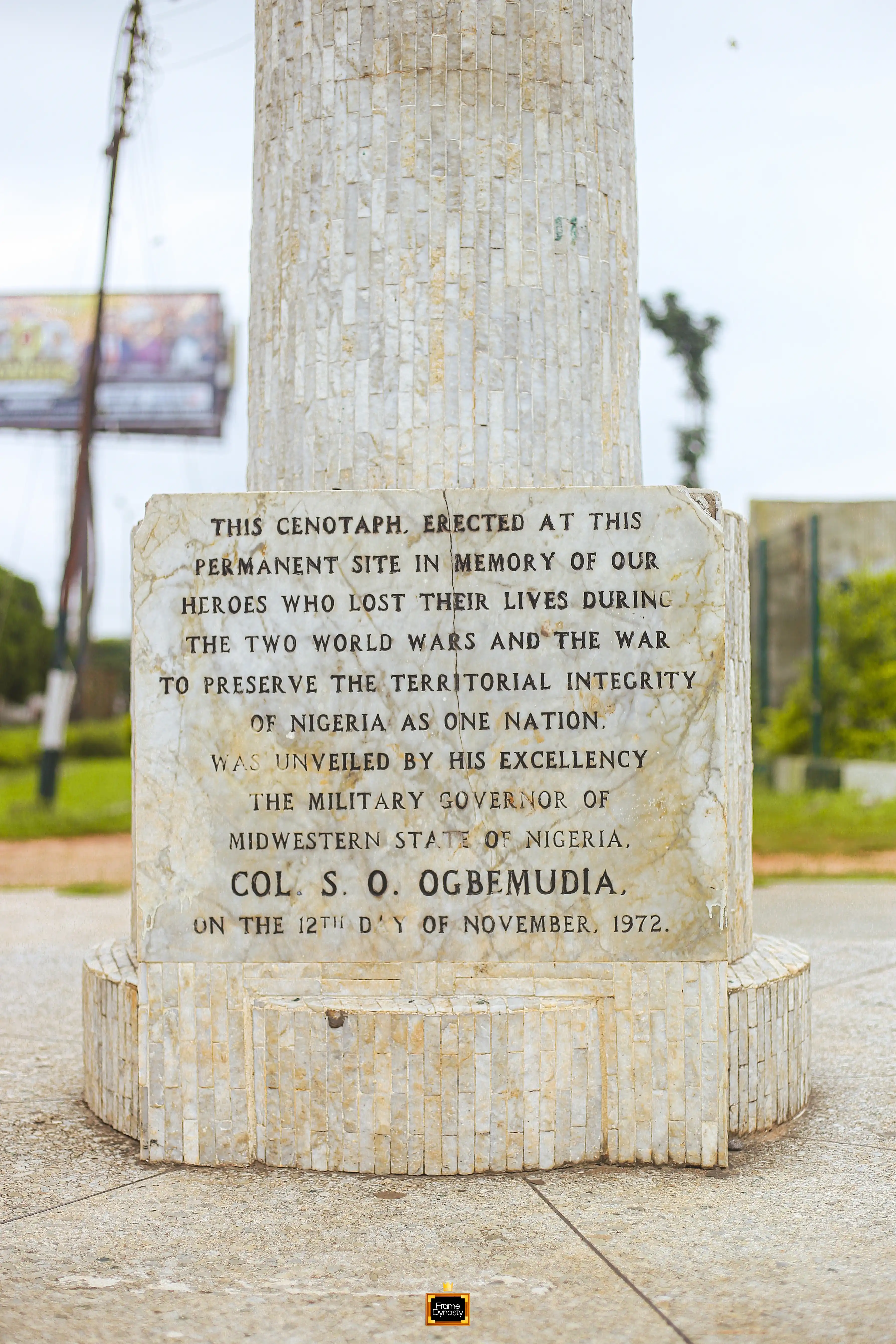
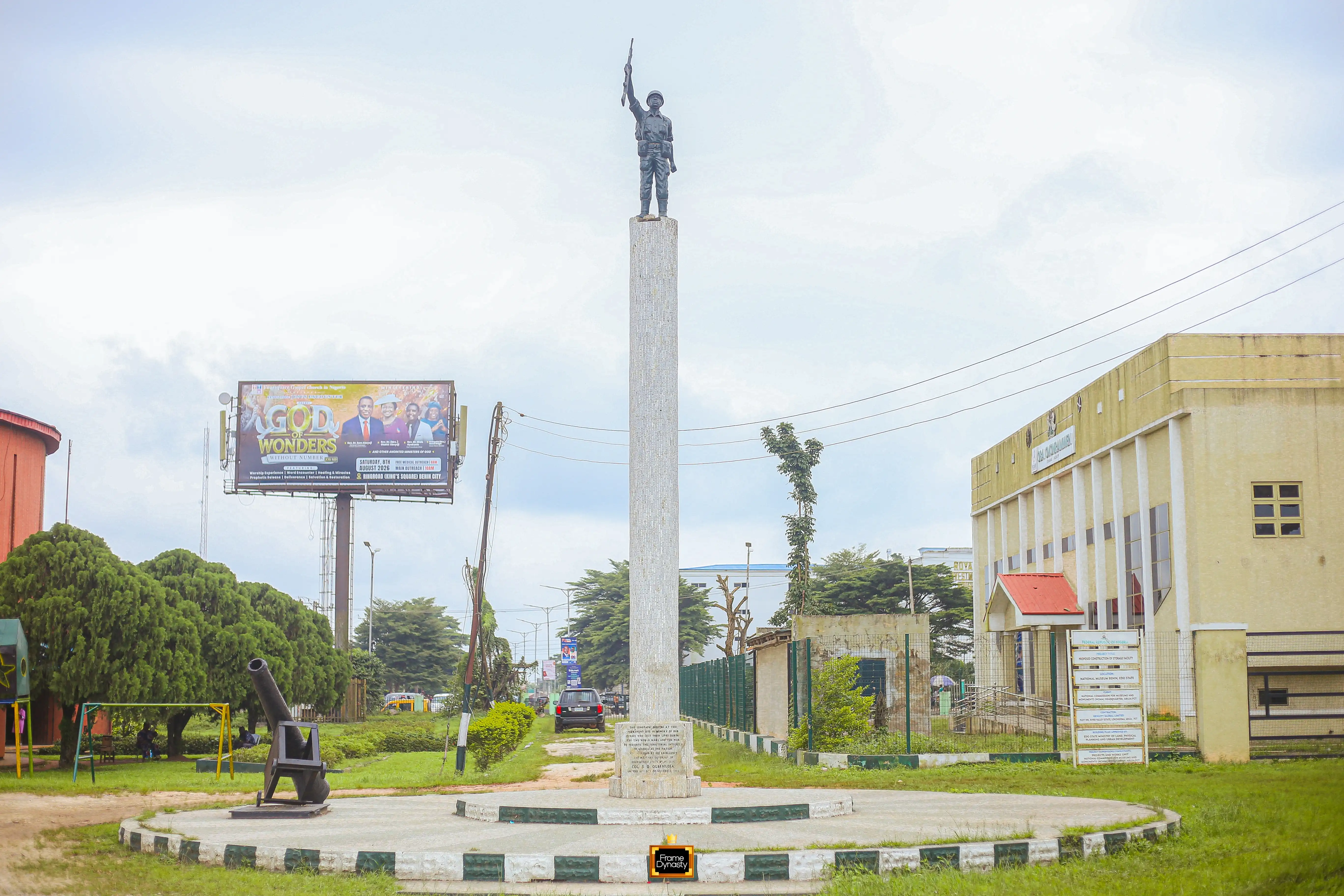
We photographed the building because sometimes, a place becomes part of the story it protects.
And perhaps that is what a legacy really is:
Something created by our hands, carried through time, and remembered by those who come after us.
Edo@35 — Faces of a Legacy
Because the things we inherit deserve to be remembered.